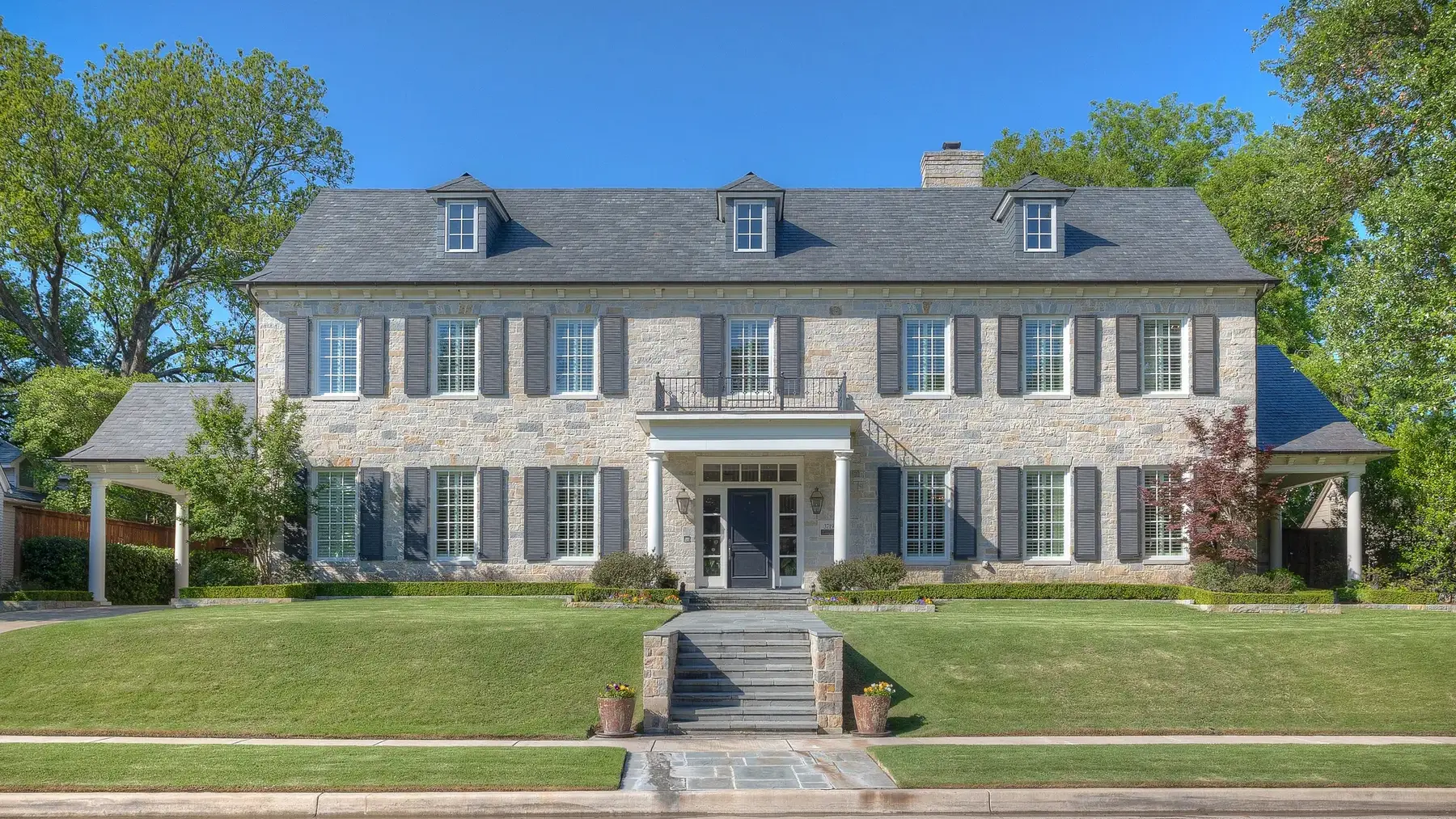
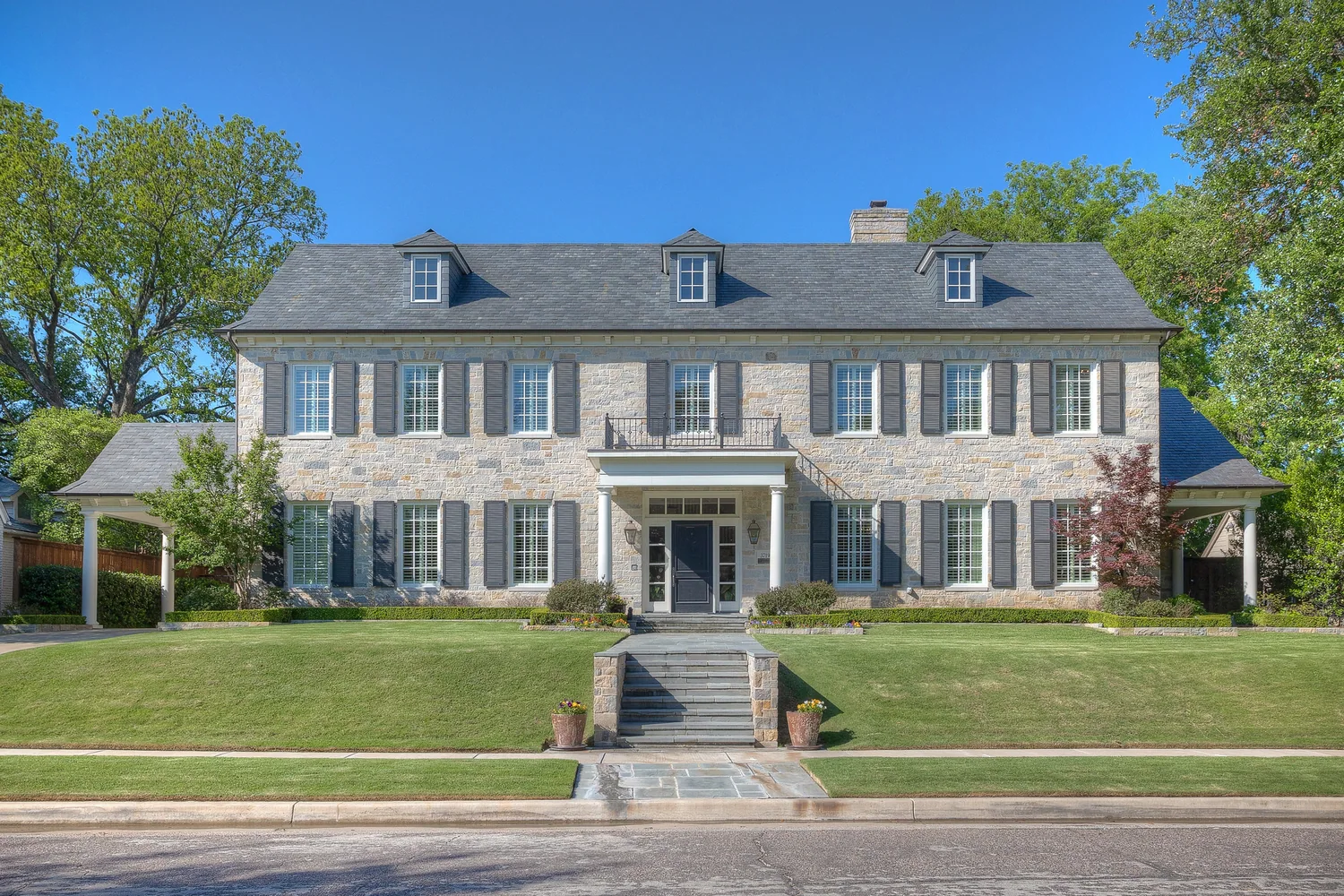
Two-story stone residence with arched windows and mature landscaping in Monticello

West Fort Worth

West Fort Worth extends along Camp Bowie Boulevard toward Westover Hills, Ridgmar, and the western city limits, with typical drives to Downtown Fort Worth of 10 to 20 minutes. Country clubs, mature trees, neighborhood parks, and long-established residential streets shape the area's refined but varied character. Architecture includes 1920s revival homes, mid-century ranches, custom stone estates, and carefully designed newer construction. Westover Hills is an independent municipality with large estate properties, Rivercrest follows the bluffs and streets around its country club, and Crestwood sits within a wooded bend of the Trinity River. Camp Bowie provides a long commercial spine of local businesses and everyday services, while I-30 and nearby western highways support regional access. Buyers should evaluate renovation quality, topography, historic context, and municipal boundaries, because taxes, services, and development patterns can differ even between adjacent neighborhoods.

Drive-time ranges are approximate and vary with traffic, route, and starting address.

Neighborhoods Within West Fort Worth

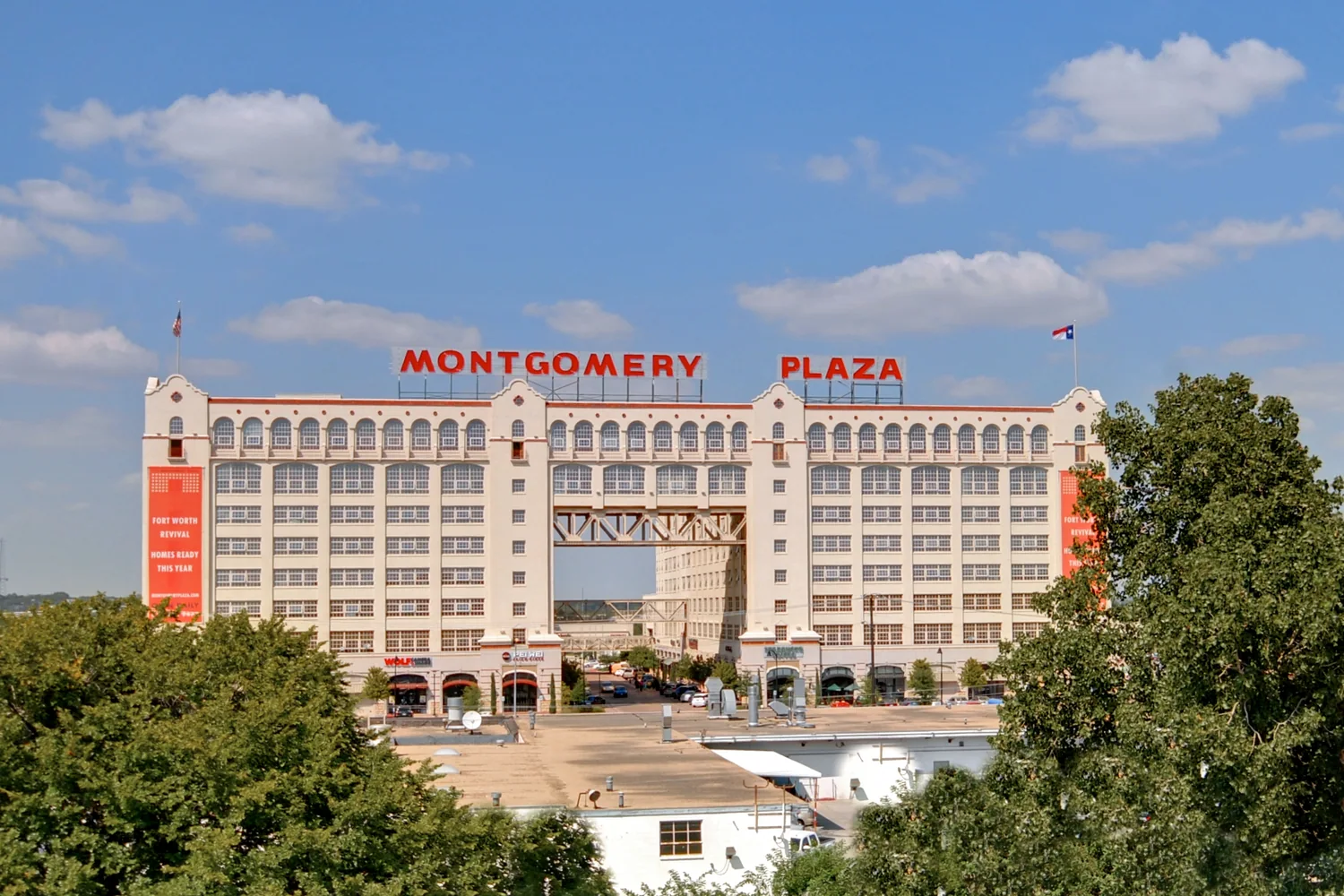
Montgomery Plaza along West 7th Street
01

7th Street Area

The West 7th area forms an urban connection between downtown and the Cultural District. Townhomes, condominiums, apartments, restaurants, and entertainment create a more active setting than nearby single-family neighborhoods.

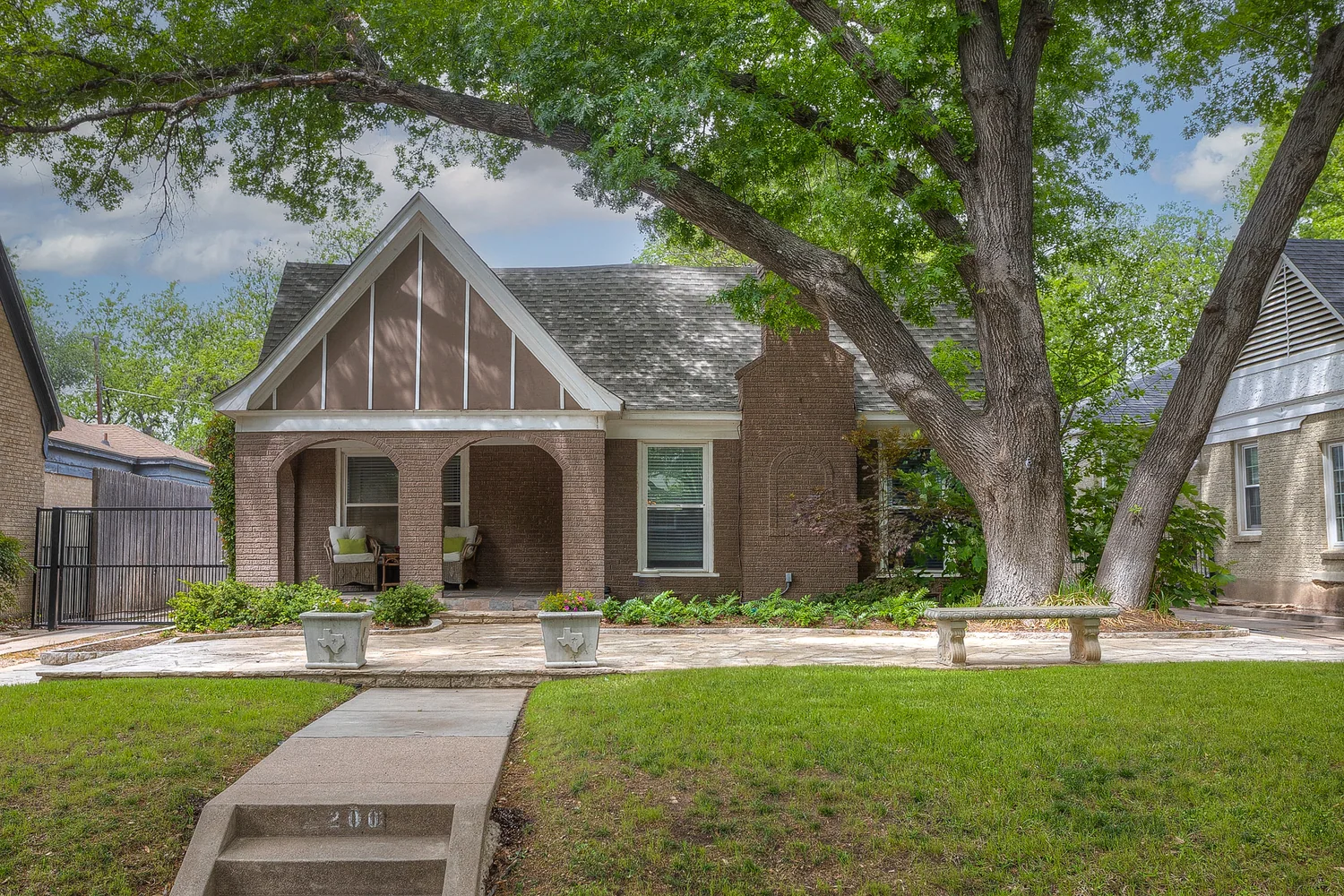
Brick home with a covered front porch beneath mature trees in Arlington Heights
02

Arlington Heights

Arlington Heights stretches along the Camp Bowie corridor with 1920s bungalows, brick cottages, and extensively updated homes. Local restaurants and shops are nearby, while block character and lot size vary across the neighborhood.

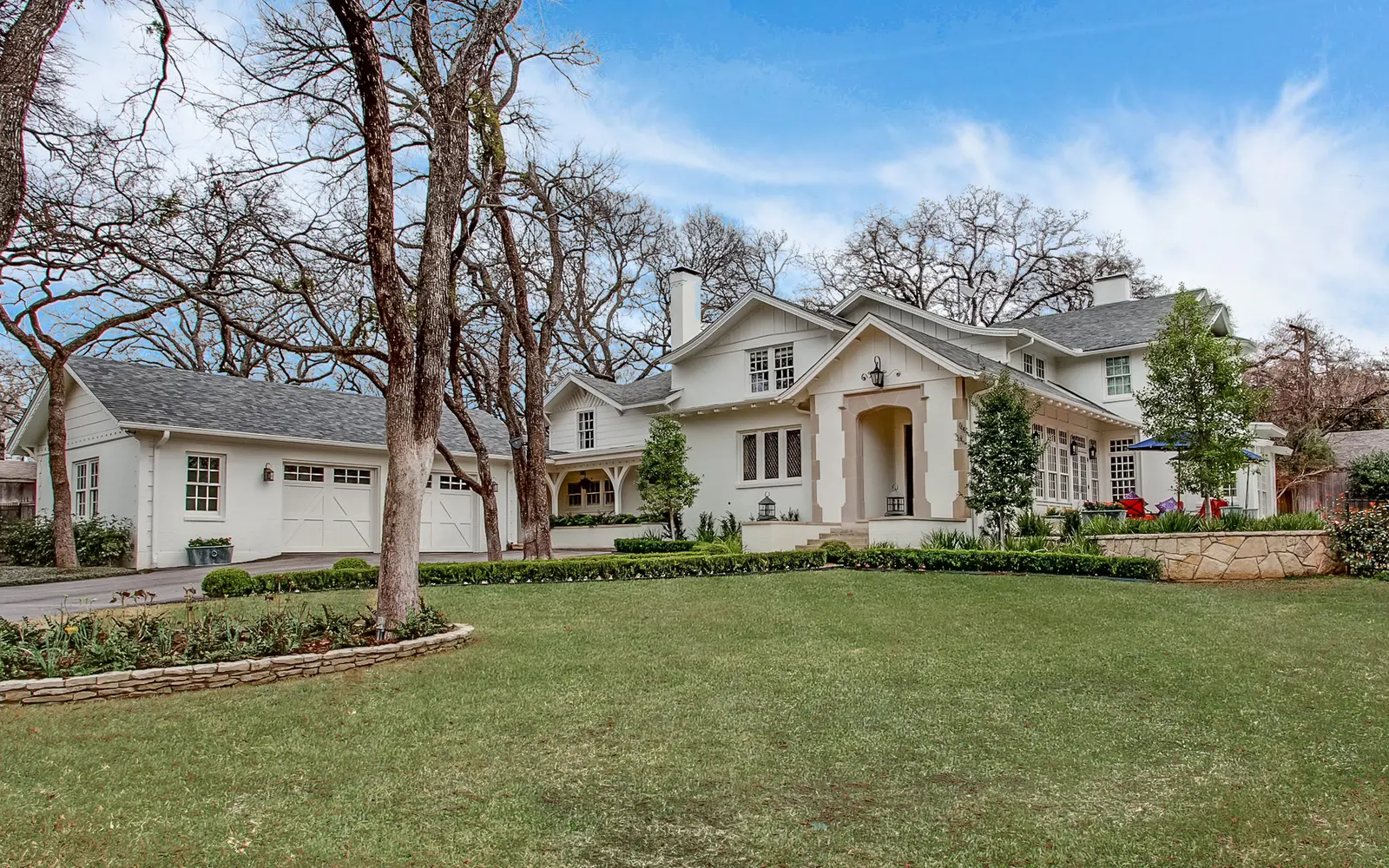
White two-story residence set behind an expansive lawn and mature trees
03

Crestwood

Crestwood occupies a wooded loop of the Trinity River north of Camp Bowie Boulevard. Mid-century and traditional homes sit on quiet streets with convenient access to river trails, downtown, and the Cultural District.

Two-story home with black shutters in Monticello
04

Monticello

Monticello is an established neighborhood near the Cultural District with Tudor, Colonial Revival, and traditional homes beneath mature trees. Its compact streets offer a residential counterpoint to nearby museums, West 7th, and Montgomery Plaza.

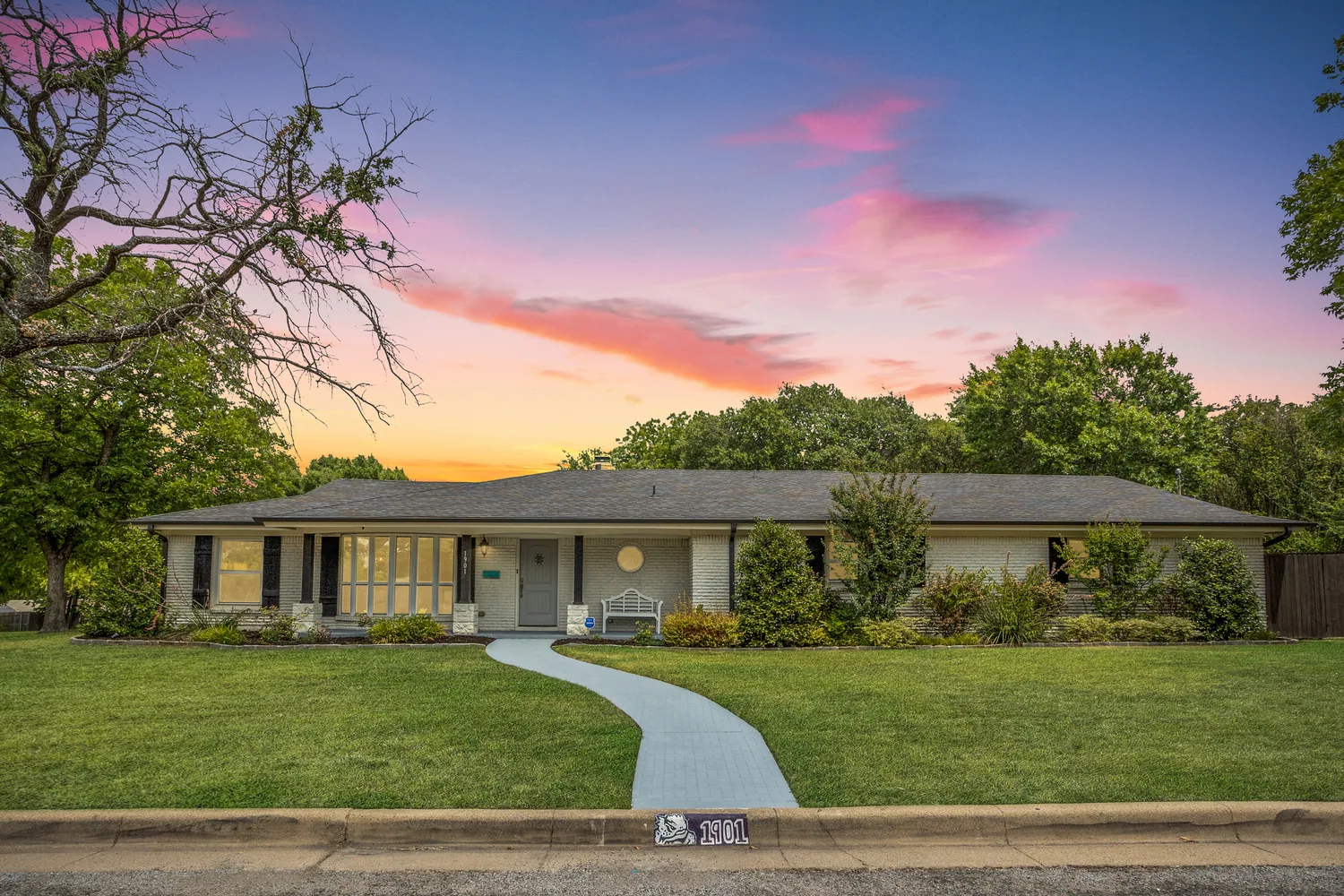
Single-story home with a landscaped lawn at sunset in Ridgmar
05

Ridgmar

Ridgmar is an established west-side neighborhood near I-30 and major retail corridors. Traditional ranch homes, larger lots, and mature trees give it a settled suburban feel close to central Fort Worth.

Brick home with a broad lawn in Rivercrest
06

Rivercrest

Rivercrest surrounds its namesake country club and extends across bluff-top streets west of downtown. Historic residences, custom renovations, and mature trees create a formal neighborhood setting with access to Camp Bowie and the Cultural District.

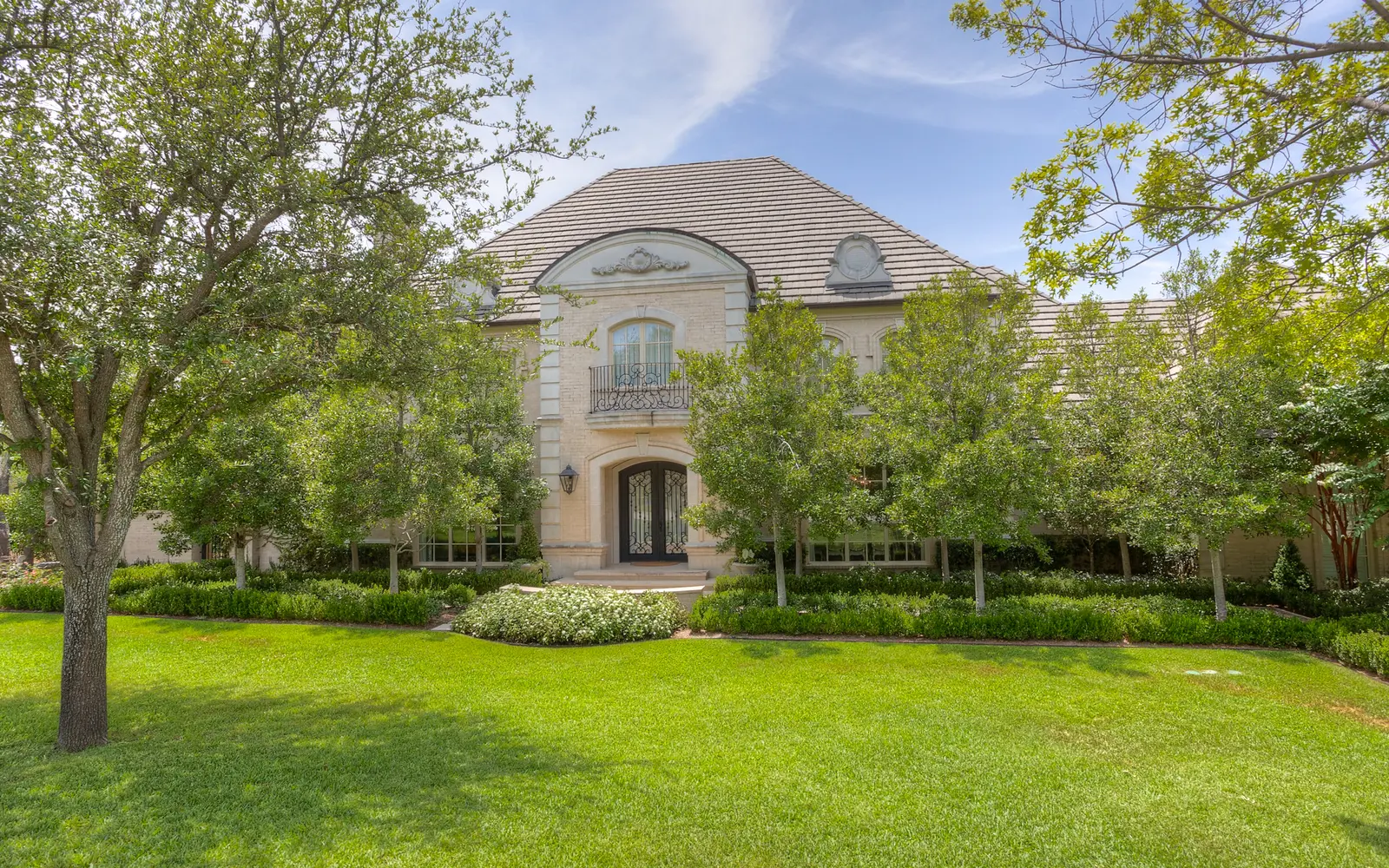
Large stone residence framed by trees and a broad green lawn
07

Westover

Westover refers to the estate-oriented residential area around independent Westover Hills. Winding streets, substantial custom homes, and mature landscaping create one of Fort Worth’s most private settings.

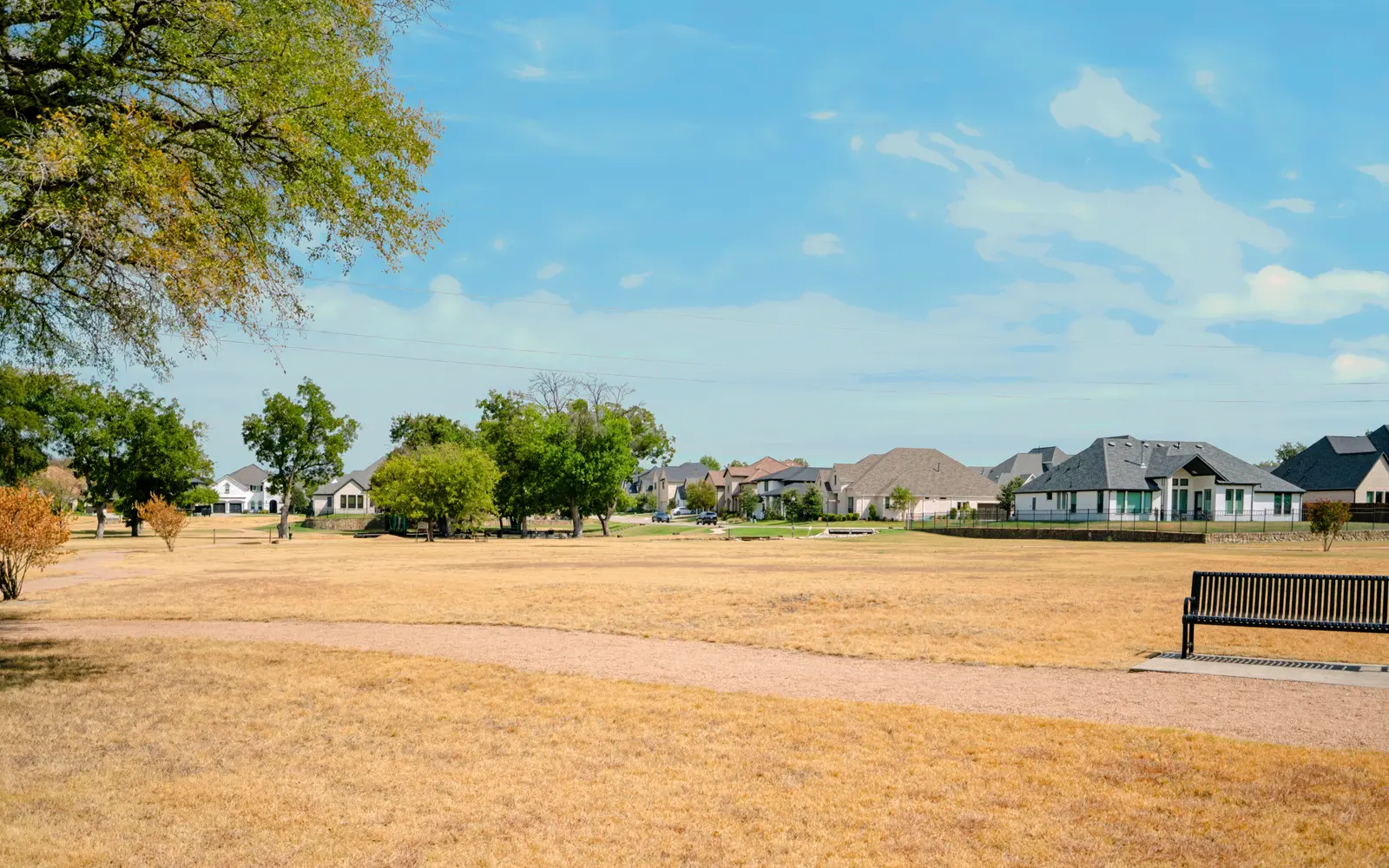
Open park lawn with benches and residential rooftops in the distance
08

Westworth Village

Westworth Village is an independent municipality near the Trinity River, Shady Oaks Country Club, and Naval Air Station Fort Worth. Established homes and newer development share a compact location with quick access to the west side and downtown.

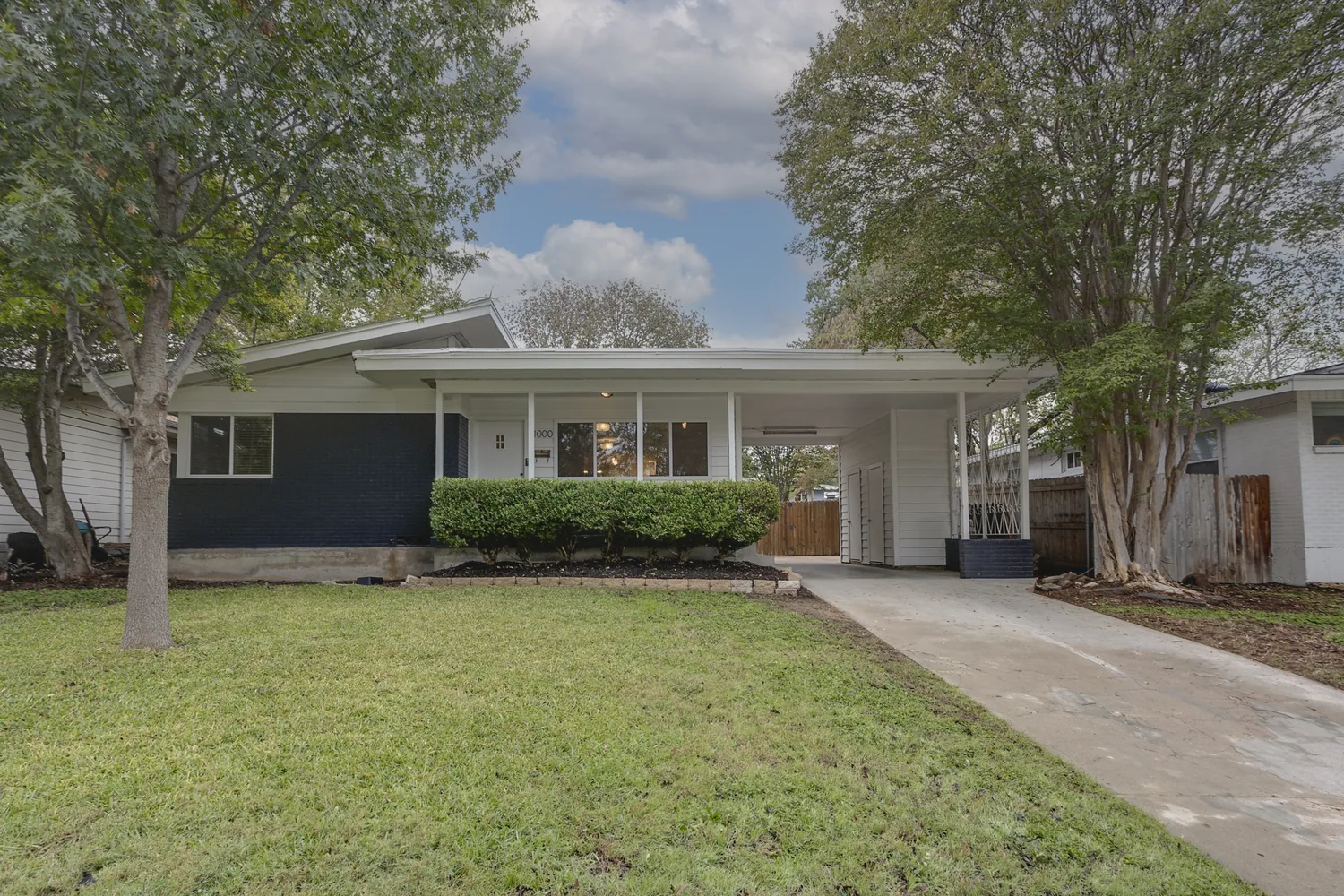
Single-story home and front lawn on Kenley Street in Sunset Heights
09

Sunset Heights

Sunset Heights lies west of South Hulen Street near I-30. Its residential streets include midcentury houses with broad front yards and mature trees.

Personal Guidance

Not sure which area fits?

Corrine can help you compare homes, settings, and everyday convenience with a clear plan for your search.

Schedule a Consultation